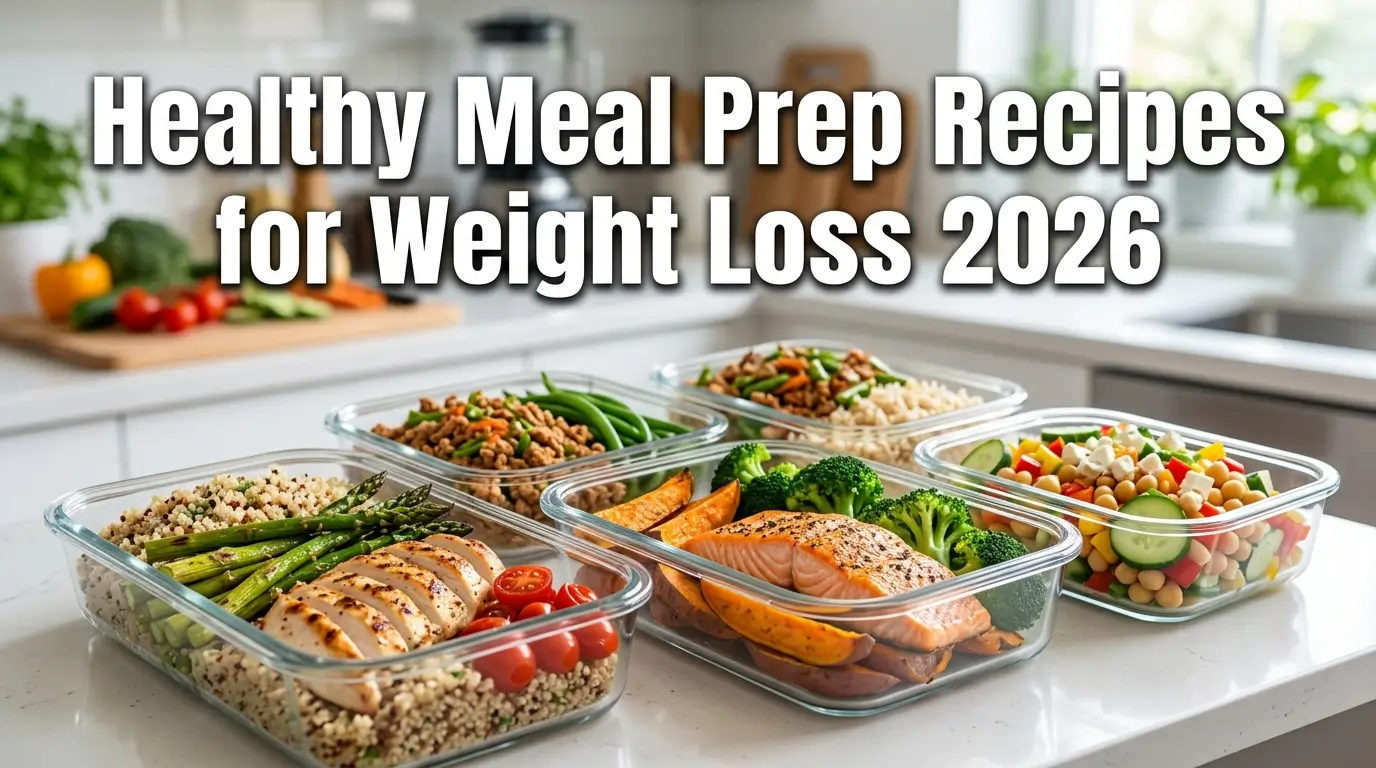
Healthy Meal Prep Recipes for Weight Loss
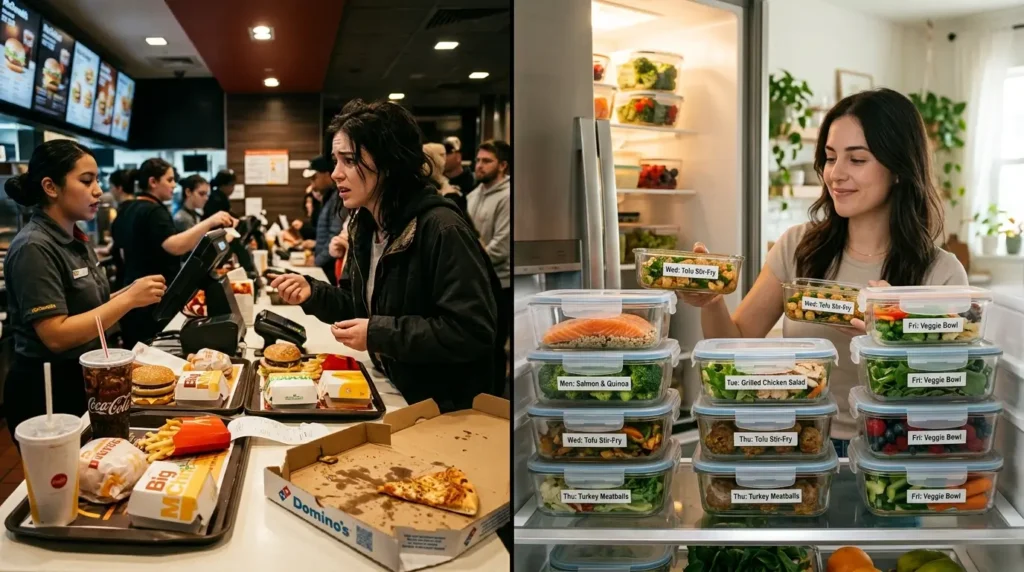
In the past I hated Sundays. It wasn’t the end of the weekend, it was just I knew I would be faced with “what’s for dinner” every night that week. I would get hungry and tired at 7pm, stand in front of the fridge and order pizza. This was to be expected and so was the weight on the scales.
But Meal Prep changed all that. Not a “cooking 21 exactly identical Tupperware” kind of prep. A straightforward and flexible system that places the chicken and roasted veggie bowl in my hand quicker than a delivery app can load. I managed to lose 18 lbs in 4 months doing just that – without counting calories at every meal or giving up on carbs.
Healthy meal prep recipes for weight loss can do just that. They create a food environment where it’s the easiest choice to be the most desirable choice. The discipline required is not as strict as that of a monk. All you need is plan, some containers and an afternoon on a Sunday.
What Is Healthy Meal Prep for Weight Loss?
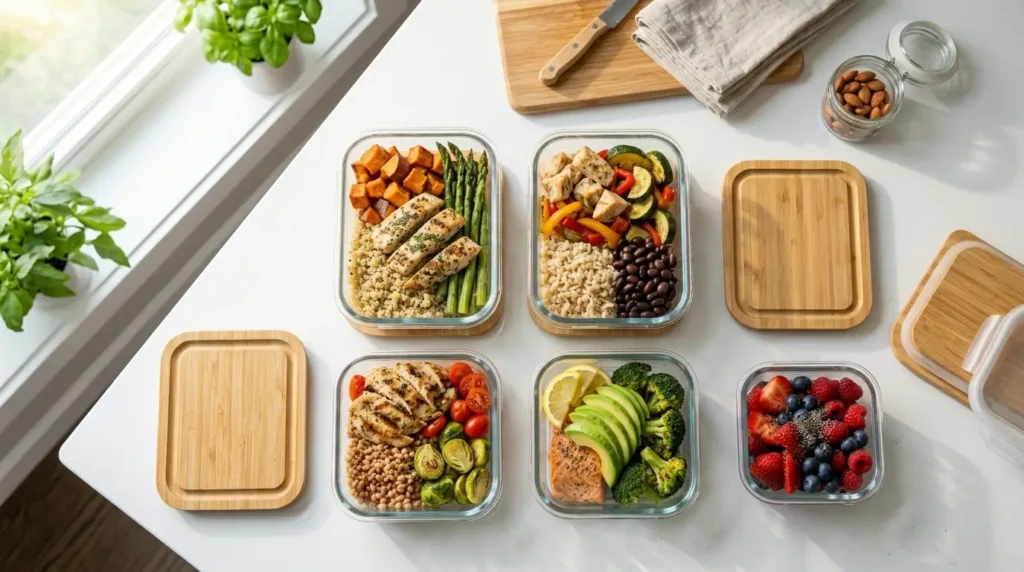
Healthy meal preparation for weight loss is when you prepare and portion out well balanced meals in advance, each of which allows for a calorie deficit without needing to be constantly monitored. Not “chicken and steamed broccoli”! Uses lean protein, fibre-dense vegetables and smart carbs in proportions to aid in keeping the “full” feeling through fewer calories.
Why Meal Prep Helps You Lose Weight (The Science Nobody Talks About)
Willpower is overrated. Your actions have a greater impact on what you eat than your vision. If I have meals already prepared in the refrigerator, I eat them! If not, I eat granola from the bag!
I’m not the only person who has experienced this. In behavioral economics studies, it has been repeatedly found that the easier it is to do a desired behavior, the more likely it will be to become a habit. Eliminating meal prep means there’s no need to argue with yourself about what to eat or if you have the energy to cook. You already decided. You already cooked.
On the biological side, it is beneficial to have regular meal times and a balance in the macronutrients that prevent fluctuating blood sugar levels and reduce ghrelin (hunger hormone). Also, the thermic effect of food (energy expended digesting, absorbing and metabolizing nutrients) is for your benefit when eating high protein meals. Protein has a TEF of 20-30%, compared to 5-10% for carbs and 0-3% for fat. Each prepared chicken breast or piece of tofu is really incinerating calories as you consume it.
The bottom line: preparing your own meals makes the hard work of calorie deficit look like a common occurrence.
Who Should Meal Prep and When It’s Worth It
Meals are most beneficial if:
- Your days are filled to capacity and you’re hitting the drive-through for lunch.You’re working long hours, and thinking about ordering out for lunch.
- You’re the parent of children and don’t want to prepare separate food
- Feeling fed up with counting each ingredient while at dinner?Feeling fed up with counting every ingredient at dinnertime?
- You are looking to achieve a certain amount of body composition with protein intake.
- You need to save money and do not like $18 salads by the office.
The ideal time is Sunday afternoon with 2-3 hours. I know individuals who do the mini-prep on Wednesday, since their willpower begins to wane on Thursday. Pick a time when you will be able to safeguard yourself.
Also read: Dairy Free Breakfast Recipes That Are Filling 2026
The Core Setup: Calories, Containers, and a Framework
There are 3 things that you need to get right before you cook.
1. A Rough Calorie Anchor
It is not necessary to compute to the decimal. Use a TDEE Calculator to determine maintenance calories (the one used by the National Institutes of Health is accurate). Cut back by 300-500 calories to create a calorie deficit. For most women, this is between 1,400–1,700 calories a day. For men, 1,800-2,200. Always stay above 1200 (women) and 1500 (men) without the help of a dietitian.
2. The Plate Framework
Fill every container:
- Half with non-starchy vegetables (broccoli, bell peppers, leafy green vegetables, zucchini)
- Skim milk or non-dairy milk (1 cup)
- Quarter of carbohydrates that are high in fiber (quinoa, sweet potato, brown rice, lentils)
- Healthy Fat: A THUMBSIZE portion (avocado, olive oil, nuts, seeds).
Most meals are between 400-550 calories with no math required with that visual guide.
3. The Right Containers
I’ve tried dozens. The three types to be owned:
| Type | Use | Notes |
|---|---|---|
| Glass 2-cup meal prep containers | Full meals with sauce | Microwave safe, no staining, heavier |
| BPA-free plastic 2-cup singles | Lightweight and gym bag friendly | Look for microwave-safe plastic and replace if damaged |
| 16 oz wide mouth mason jars | Salads, overnight oats, soups | Dressings on bottom, greens on top |
As for me personally, I use Glasslock 2 cup rectangles for the majority of my meals and mason jars for breakfast. If you travel, then the rubbermaid brilliance plastic ones are awesome. Don’t use a container bigger than 3 cups; they will be filled and you will eat too much.
How to Meal Prep for Weight Loss Step by Step
This is the path that I have trod over the years and found myself on. On a Sunday it takes 2 hours for me.
- List three meals and 2 snacks. Choose 2 breakfast, 1 lunch and 2 snack foods that have similar ingredients. For lunch, have chicken breast and for dinner, you can have ground turkey, quinoa, vegetables like broccoli and bell peppers.
- Create a grocery store list by the sections. Make, protein, pantry, dairy. I’m using Notes app on my mobile to avoid wandering aisles.
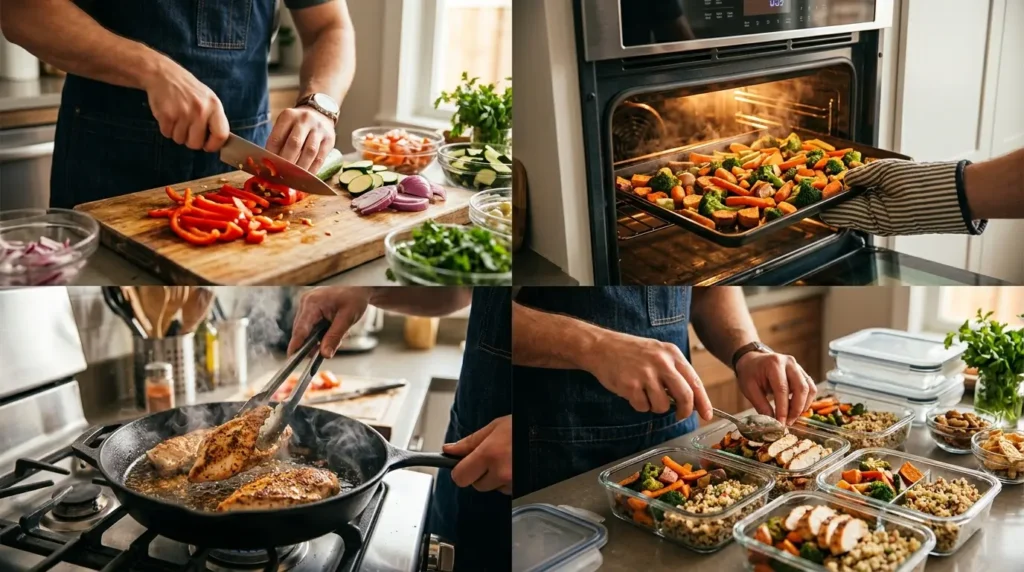
- You need to start grains and legumes first. These last the longest. Place quinoa or brown rice in the pot or rice cooker over high heat. All lentils need is a rinse.
- Use sheet pans to roast vegetables. 400°F (200°C), light oil, salt, pepper. These are all cubes of broccoli, cauliflower, sweet potato and bell pepper. 20-25 minutes.
- Cook proteins. I make two pans: salmon fillets and chicken thighs or breasts. Or I fry ground turkey in a pan. Season generously with: smoked paprika, cumin, garlic powder, lemon juice. People stop meal-prepping the most because of bland food.
- Make a sauce or dressing. Lemon-tahini, cilantro-lime, balsamic vinaigrette. Keep in small 4oz containers on the side.
- Cool and assemble. Allow to cool for 15 minutes. Now, construct a container. Include protein, grain, veg and fat source. Label with date. Keep in fridge for ≤ 4 days, freeze the remainder.
Healthy Meal Prep Recipes for Weight Loss That Don’t Suck
A recipe is merely a set of ingredients. This is what I do to not burn out.
High-Protein Lunch Bowls
Top: Grilled chicken breast (or shrimp or extra-firm tofu), roasted broccoli and bell peppers, cooked quinoa, and lemon tahini dressing.
Calories: ~480. Protein: 45g.
Mason Jar Salads (Layer in This Order)
Bottom: 2 tbsp vinaigrette. Following: cucumbers, cherry tomatoes, shredded carrots. Then: 120g of grilled chicken or ½ cup chickpeas. You will need 1 tbsp sunflower seeds, spinach or arugula.
Pour into a bowl and shake it when you are ready to use. Stays crisp for 4 days. Calories: ~410. Protein: 35g.
Freezer Turkey Chili
1 lb lean round ground turkey, 2 kidney beans, 2 cans diced tomatoes, 1 onion, garlic, chili powder. Makes 5 servings. Freeze in flattables in silicone bags. Serve with green beans, and reheat.
Calories per 1.5 cups: 370. Protein: 32g.
Overnight Oats with Protein
½ cup rolled oats, ½ cup unsweetened almond milk, 1 tbsp chia seeds, ½ cup scoop vanilla protein powder and ½ cup frozen berries. Stir and leave in mason jar overnight.
Calories: 385. Protein: 28g.
No-Cook Snack Boxes
Hard boiled egg, apple slices, 1 tbsp almond butter, cucumber sticks, 1 oz cheddar cheese.
Calories: 340. Protein: 18g.
Storage and Reheating Rules
Once I have eaten salmon that was 5 days old. It is not recommended.
- Cooked meals will keep for 3-4 days in the refrigerator (4°C/40°F). The shelf life of seafood is 3 days max.
- If it will NOT be eaten by Wednesday, freeze it. Soups, stews, chili and burritos are all good for freezing.
- Reheat chicken gently. Turn up to 70% power and microwave for 2 minutes followed by a rest time. Roasted vegetables in a toaster oven are amazing, they don’t get soggy.
- Do not reheat food in plastic containers unless marked “microwave-safe. Some phthalates and BPA can leach out. Glass is safer.
- When roasting vegetables, make them a little undercooked. They will complete their cook in the microwaves.
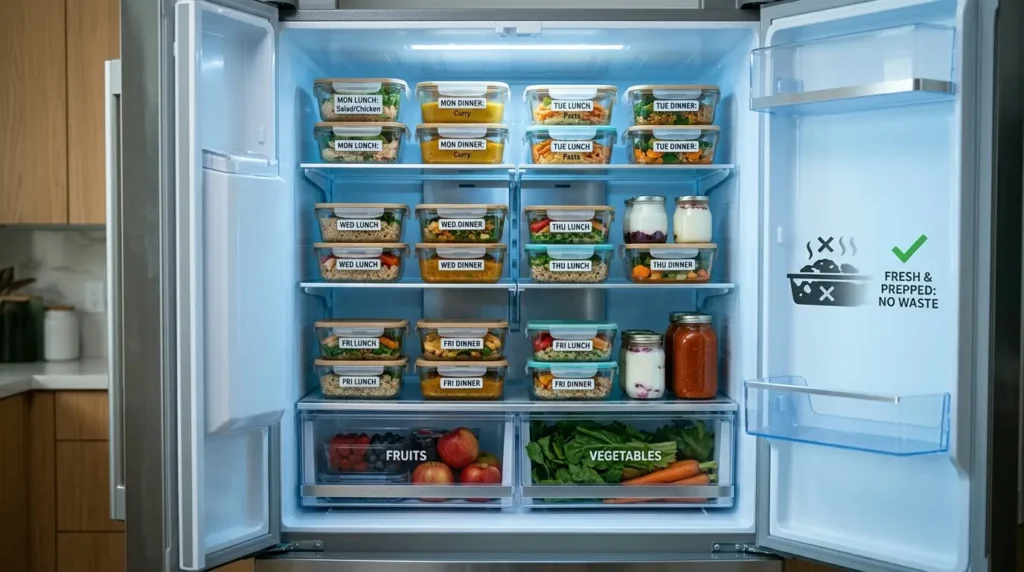
Mistakes That Stalled My Weight Loss (And Might Stall Yours)
- Making everything too low fat. I believed that fat-free dressings were good. 90 minutes later, they left me with a ravenous appetite. A bit of fat, like avocado or olive oil, will keep you full and help your body absorb fat-soluble vitamins.
- Not having a midweek refresh. Lettuce and cut fruit don’t keep for 7 days. I now do a 15 minute mini-prep on Wednesday: wash greens and chop fresh veg and put together snack containers.
- Having the same meal every day for 5 days. Friday I’d be rebellious, and order a burger. Today, I am preparing 2 proteins and 2 grains and making different combinations of bowls every day. Mon day is chicken and quinoa. Chicken with sweet potato is served on Tuesday. On Wednesday the day of the turkey, it will be turkey with quinoa.
- Ignoring snack creep. I was on a no-skim and no sugar diet for my meals, and then ordering a 300 calorie latte and granola bar at work. Those “extras” totalled up. So I began making protein-rich snacks to fill the void.
Should You DIY or Use a Meal Delivery Service?
If cooking is your nemesis, you’re not short of cash and your town offers meal prep services such as Territory Foods, Fresh N Lean or any other local meal prep options, you can still reap the weight loss benefits. These businesses make and provide a weekly menu of calorie-controlled food.
Here is my true comparison:
| Option | Details |
|---|---|
| DIY Meal Prep | $35–$70/week per person |
| Meal Delivery Service | $70–$130/week for 5-7 meals |
| Factor | Details |
|---|---|
| Time | The activity will take 2-3 hours on Sunday and will take 5 minutes to order. |
| Control | Full control of ingredients, macros, Limited customization |
| Taste | Depends on your cooking, fresh, Good, but can be repetitive |
| Waste | If not careful, some produce waste, single-use packaging and ice packs |
I do a hybrid. I make three meals each day from a local restaurant (which cost $10 per meal) and the breakfast and snacks I make myself. Helps me to keep weekend work loads low and offers variety.
When you type in things like “meal prep delivery near me” or “healthy meal service [your city]”, check out the reviews and see if the meal delivery kitchens have a macros section. Many small businesses provide this; it may be better than its national brands.
Seasonal Swaps and Local Sourcing
A diet that is seasonal will taste better and thus will help you to remain on course! I stock up at the farmers market for zucchini, tomatoes and berries in the summer months. I roast brussels sprouts, butternut squash and beets in the winter.
Explore CSA boxes or community supported agriculture programs. Vegetables in the box, which they pick that morning, cost me $30 per week. It makes me think outside the box and saves on food.
Even in rural areas, most supermarkets provide country of origin labels. The seasonality of local produce often carries benefits of less “transit time,” higher nutrient content and better taste.
A Note on Tracking and Apps
No need to be on macro counting for the rest of your life. I used MyFitnessPal for the first 2 weeks to record my meals that I had prepped. It was the first time that I learned what 450 calories and 40g protein really was. Now I eyeball it. If you’re looking for micronutrient data, then Cronometer is another good choice. You can’t get portions right if you don’t have a cheap digital food scale (I use a $12 Escali).
How to Adjust for Different Diets
This model is applicable to nearly any type of diet.
- Plant based: Tofu, tempeh, edamame, lentils, chickpeas as protein. Do not change grains and veggies.
- Keto: Replace quinoa with cauliflower rice, add an extra serving of avocado and olive oil, eat more fatty meats and cheeses.
- Mediterranean: Eat fish, olive oil, whole grains, beans and roasted vegetables.
- Naturally gluten-free grains: Quinoa, rice & certified gluten-free oats.
The plate framework remains unchanged. Simply substitute the ingredients.
Frequently Asked Questions
So, what are the best foods to meal prep for weight loss?
Lean proteins (chicken breast, turkey, tofu, shrimp), high fiber carbs (quinoa, sweet potatoes, lentils) and non-starchy vegetables (broccoli, spinach, peppers). These offer fullness and bulk with less calories.
How long do meals prepared last in the refrigerator?
Cooked foods will keep for 3-4 days when stored in the refrigerator at 4°C or lower (40°F). Seafood can only be consumed within 3 days of the meal. When it won’t keep for day 4, freeze it.
Is it possible to just make the meals in advance to lose weight?
Yes, but only as long as the meals lead to a calorie deficit. Meal prep isn’t a magic bullet. Combine with regular amounts and activity, and it’s done! If you don’t have a deficit, then you’ll sustain.
What to prepare on Sunday for weight loss?
Choose 2 proteins, 2 grains and 3 – 4 vegetables. Roast them all. Make various sauce bowls. Prepare overnight oats, hard-boiled eggs and cut fruits and vegetables for snacks as well.
What is the number of calories in a lunch prep?
200-300 calories for a woman who consumes 3 meals and 1 snack. For a man, 450-600 calories. Ensure that there is at least 30g of protein in it.
Is it possible to prepare all my salads for the week?
Yes, you can use the mason jar layering technique. We have vegetables, protein and greens as layers, starting at the bottom. Can be kept for 4 days or longer. Don’t get them all dressed at once.
Will meal planning save you money?
Significantly. I spend approximately $55 a week on food, doing it myself, versus $90-120 a week on food, eating out and taking something I didn’t plan on. This equates to about $150-200 saved each month.
How to store moist foods like chicken when reheating?
Undercook the chicken in preparation, then reheat at 70% power, add a bit of water or broth and cover. A toaster oven at 350°F for 10 minutes is better than a microwave!
Is frozen food as nutritious as fresh?
The frozen fruits and vegetables are flash frozen when at their ripest and preserve the majority of their nutrients. They make excellent additions to smoothies, stews and soups. To get roasted texture, thaw and pat dry before cooking.
Initially, I didn’t want to do meal planning. This was such a tedious task. However, if I had the comfort of opening up my fridge on a Tuesday evening at 7pm and finding a hot and balanced meal in 3 minutes, I can’t un-have that feeling. It’s not about being perfect! Making it easier to say yes than to say no.
Start small. Just three lunches this Sunday in Prep. Simply use a plate frame. If the week gets hectic, feel free to purchase some ready-made meals. It is not the other way around – the system adapts to you.
You will be relieved when you open the container in front of the fridge one Wednesday evening years from now, when you are feeling tired. And a little proud. That’s where the true habit sets in.
Leave a Reply